How to Get a Fair Fence Estimate in London (Without the Sales Pressure)
What a good fence estimate actually looks like, the seven questions to ask before you say yes, and the red flags that mean walk away.
Most homeowners only buy a fence once or twice in their life. That's a problem, because it means the trade knows roughly what your bargaining position is — you don't quite know what good looks like, and the pressure to "just get it done before winter / the party / the storm" is real. Here's how to get a fair price, with no industry waffle.
What a good fence estimate actually contains
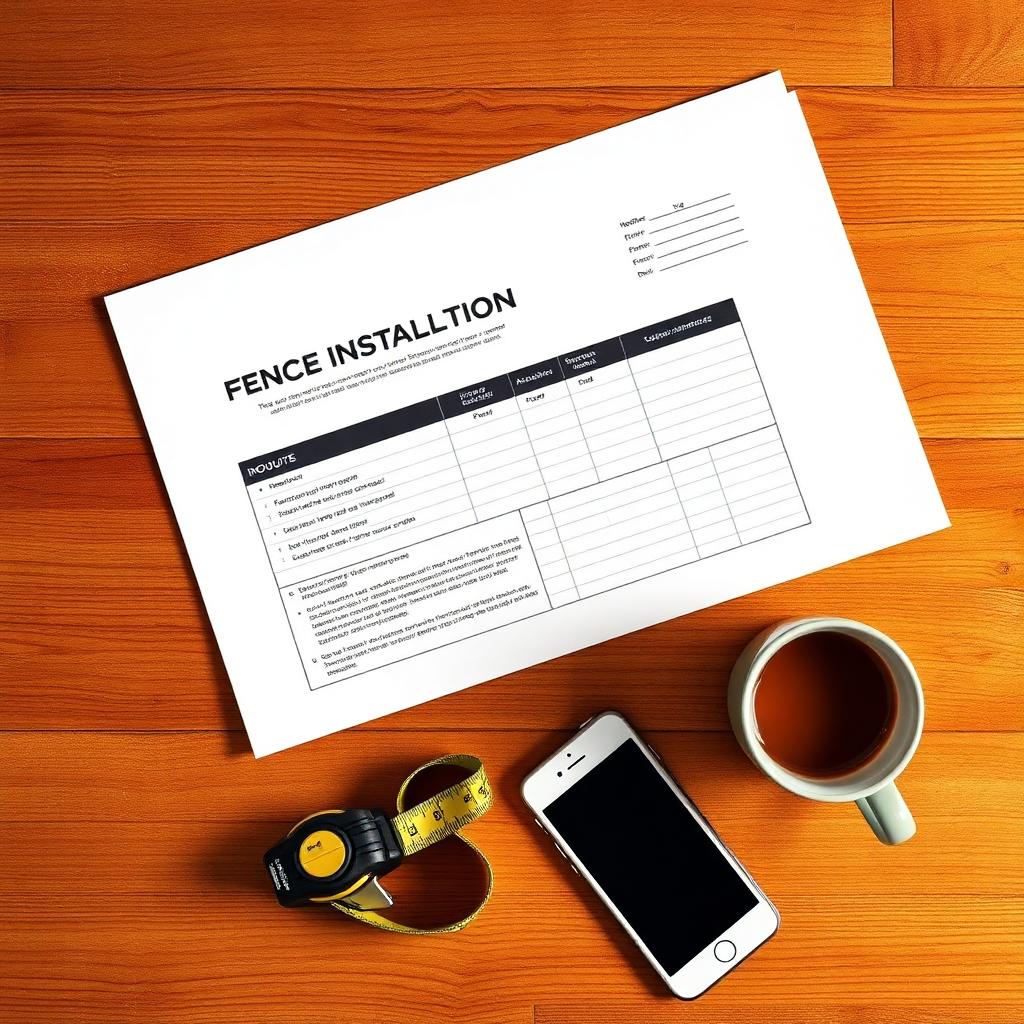
A trustworthy estimate — in writing, by email or PDF, before any work starts — spells out every one of these. If your estimate is missing any of them, ask.
- Panel type and dimensions. Not "fence panel". "6×6 ft pressure-treated overlap, 12mm slats" tells you what you're getting. "Closeboard featheredge 6×6 with capping rail" is different again.
- Post type and count. Concrete or timber, how many new vs reusing existing. Concrete posts last 25+ years; timber posts last 8–12. See our concrete vs wooden posts comparison.
- Gravel boards. Included or not. A concrete gravel board adds £20–£35 per span and adds 10+ years to panel life. Worth almost every time.
- Removal & disposal of the old fence. Included or excluded — with a separate figure if excluded. Skip and tip fees in London are £80–£200 for a typical job.
- Access notes. "Side gate access" vs "carry through the house" matters. The estimate should mention which.
- VAT. Clearly stated. A suspiciously low "no VAT" estimate may mean the trader isn't VAT-registered (legal, common with smaller installers) — but sometimes it means the price climbs.
- What happens if it goes wrong on the day. A clear, plain-English answer. "We come back and fix anything we got wrong before you pay the balance" is a fair one. Beware of installers who promise open-ended cover for "anything that ever happens to the fence" — that's not a real promise, because no installer can verify whether year-2 damage came from the install or from a tree, a fox, or a kid kicking a ball.
- Payment terms. A deposit at booking is normal — it secures your slot and covers materials ordered specifically for your job. What matters is that the install date is locked in writing at the same time. Full payment up front with no start date is the red flag, not the deposit itself. Balance is paid on completion.
The seven questions to ask before you say yes
Print these. Ask them on the phone or by email. The answers tell you everything.
- "Can I see the estimate in writing before I commit?" Yes is the only acceptable answer.
- "Are concrete posts and gravel boards included? If not, what's the upgrade?" Tests whether they default to long-life materials.
- "Is removal of the old fence included?" And tip fees?
- "What's your installation warranty and what does it cover?" 12 months minimum, in writing, covering workmanship.
- "Are you VAT-registered?" Just so you know what the number you're looking at actually is.
- "Will the same team that estimated do the work?" Big firms sometimes sub-contract to whoever's free. Knowing helps.
- "What happens if I'm not happy on the day?" Reasonable answer: "We come back and fix it before you pay the balance."
What "from £X" really means
Anything advertised as "fence panels from £85" is a hook, not a price. Three things almost always come on top:
- The post (£30–£45 each).
- The gravel board (£20–£35 per span).
- Labour and removal (£80–£100 per panel for labour, plus skip fees).
A "from £85 panel" is genuinely £180–£250 installed. Not a scam — but only useful as a starting point. Always get the all-in number before agreeing.
The London-specific traps
The doorknocker. Someone "just finishing a job round the corner with leftover materials". The materials are not leftover. The price is not real. The work, if it happens, is uninsured.
The deposit with no start date. Any installer worth using takes a deposit and puts a date in the diary at the same time. Any deposit — small or large — with a vague "we'll be in touch" start date is the warning sign.
The unrealistic timeline. "We can do it tomorrow morning" for a 12-panel job is either a lie (they're not coming) or means another customer is being bumped. Real lead time in London is 1–3 weeks for non-emergency jobs in 2026.
The cash-only suggestion. No paperwork = no warranty, no recourse, no insurance if something goes wrong. Pay by card or bank transfer.
How many estimates should you get?
For a single panel or post: one is fine if the installer has reviews and a written estimate. The savings from a second estimate rarely outweigh the time.
For a full replacement (over £1,500): get two. Maybe three. But not five — at that point you're just adding stress and you'll pick on gut anyway.
For commercial / school / security work: three minimum, always in writing, with site visits.
What goodfence does differently
We send a written, itemised estimate by email — always. Post type and panel spec are spelled out. VAT and removal are included. The number you see is the number you pay. One team, start to finish, fitted by us.
Send a photo and your postcode — you'll have a real, itemised number back the same day. No phone storm, no commitment, no "free estimate" turning into £400 of unrelated extras.