Concrete vs Wooden Fence Posts — Which Actually Lasts Longer?
An honest comparison: cost, lifespan, looks, ease of repair, and the one situation where wood actually wins.
If you're replacing a fence in 2026, the single decision that affects the next 20 years more than any other is the post. Get the panel choice wrong and you replace the panel. Get the post choice wrong and you replace the entire fence. Here's the honest comparison.
The headline numbers
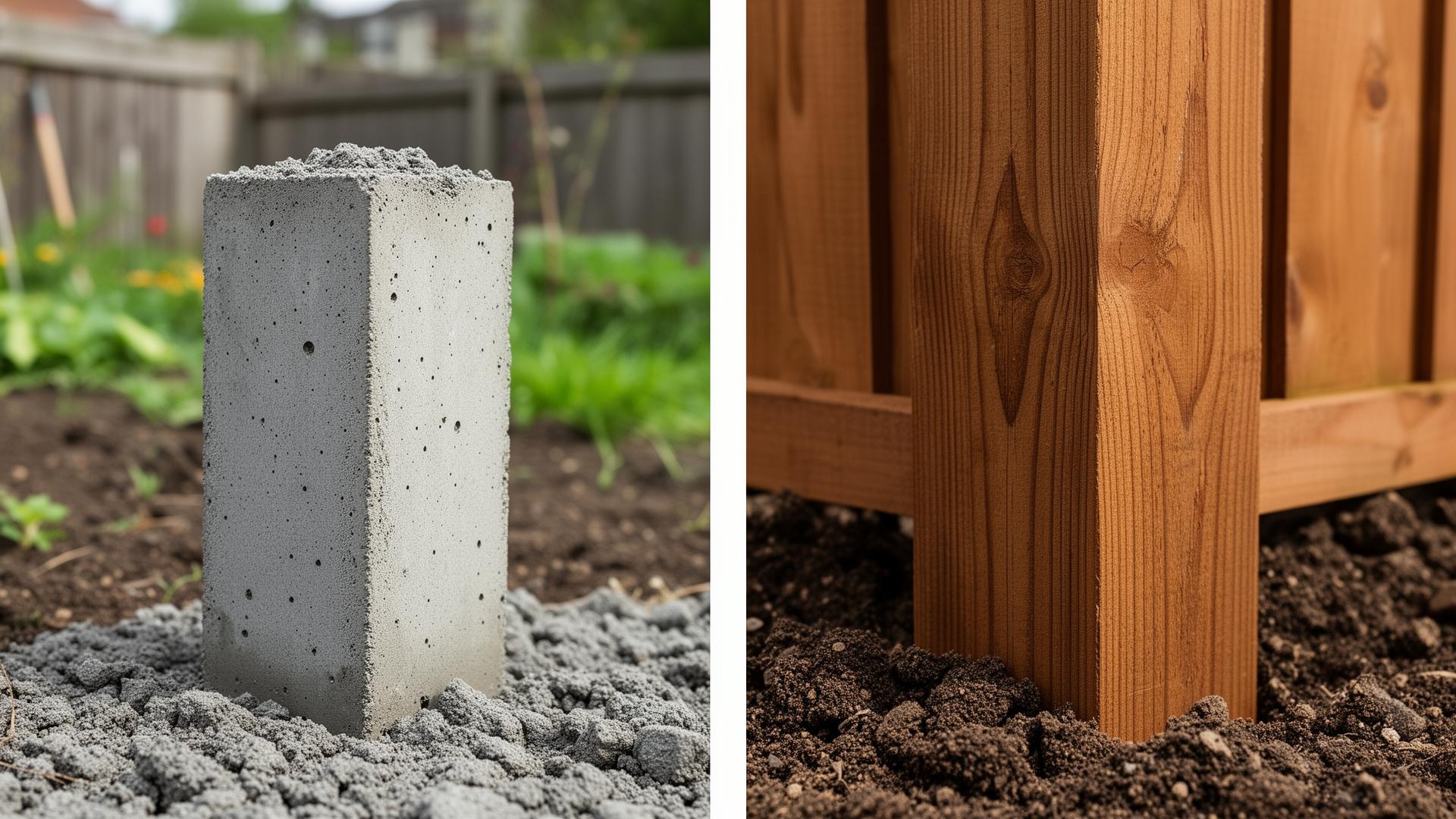
| Concrete post | Pressure-treated timber post | |
|---|---|---|
| Material cost (per post, 2026) | £30 – £45 | £15 – £25 |
| Typical lifespan | 25 – 40 years | 8 – 15 years |
| Cost per year of life | ~£1.20 | ~£1.80 |
| Time to install | Same | Same |
| Repair-friendliness | Excellent | Poor |
| Looks (out of the box) | Industrial grey | Natural timber |
| Looks (after 5 years) | Weathered grey | Silver-grey or rotten |
Why concrete almost always wins on cost-per-year
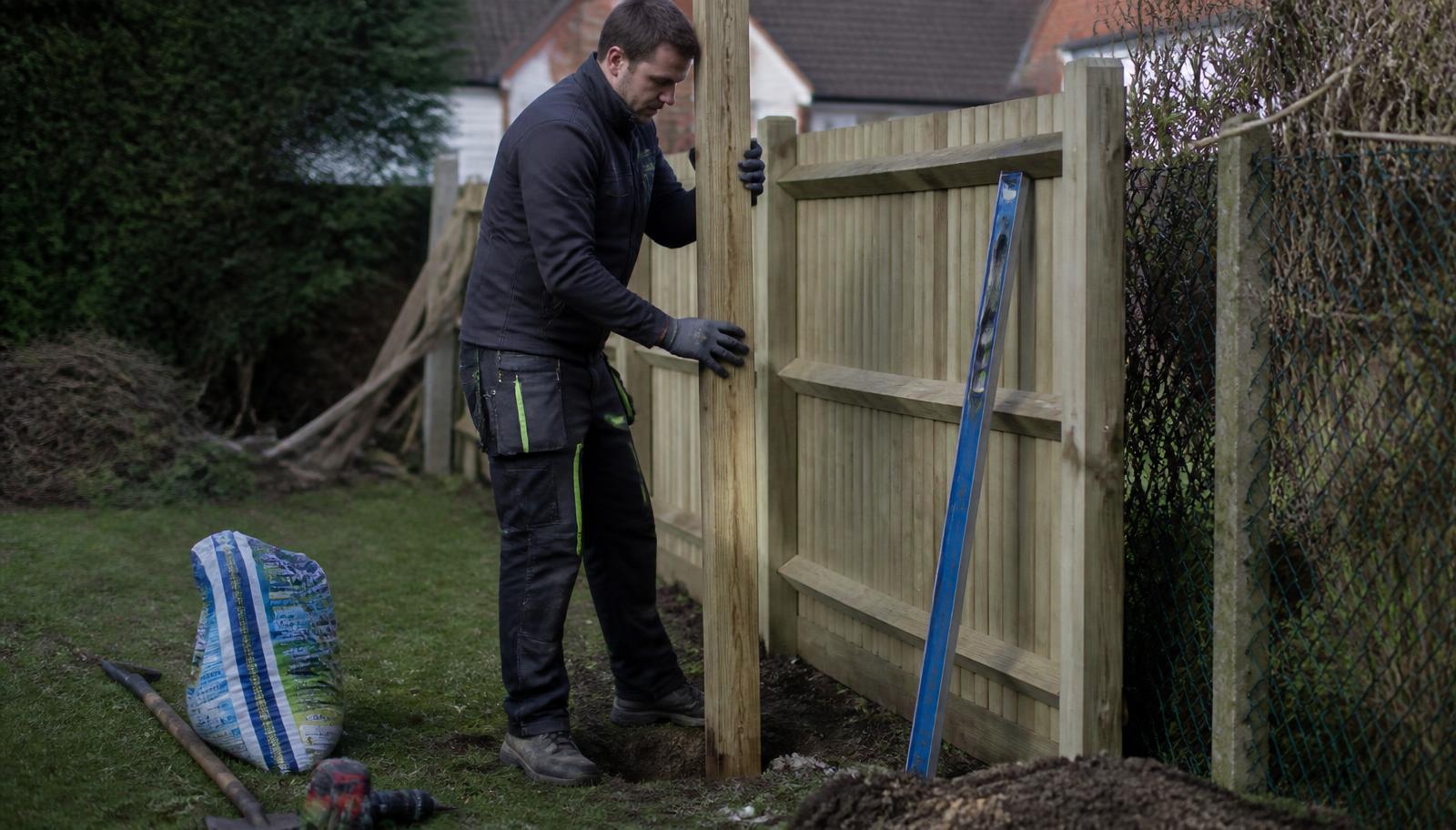
A timber post fails at the base. Always. It can be the best pressure-treated post from the best yard — the bit in the soil rots, the bit above ground is fine, and the whole thing leans when you push it. When it leans, the panels twist, the panels crack, and you're replacing the run.
A concrete post does not rot. It doesn't move. The panels slot in and out of the grooves. If a panel gets damaged, you replace the panel, not the post.
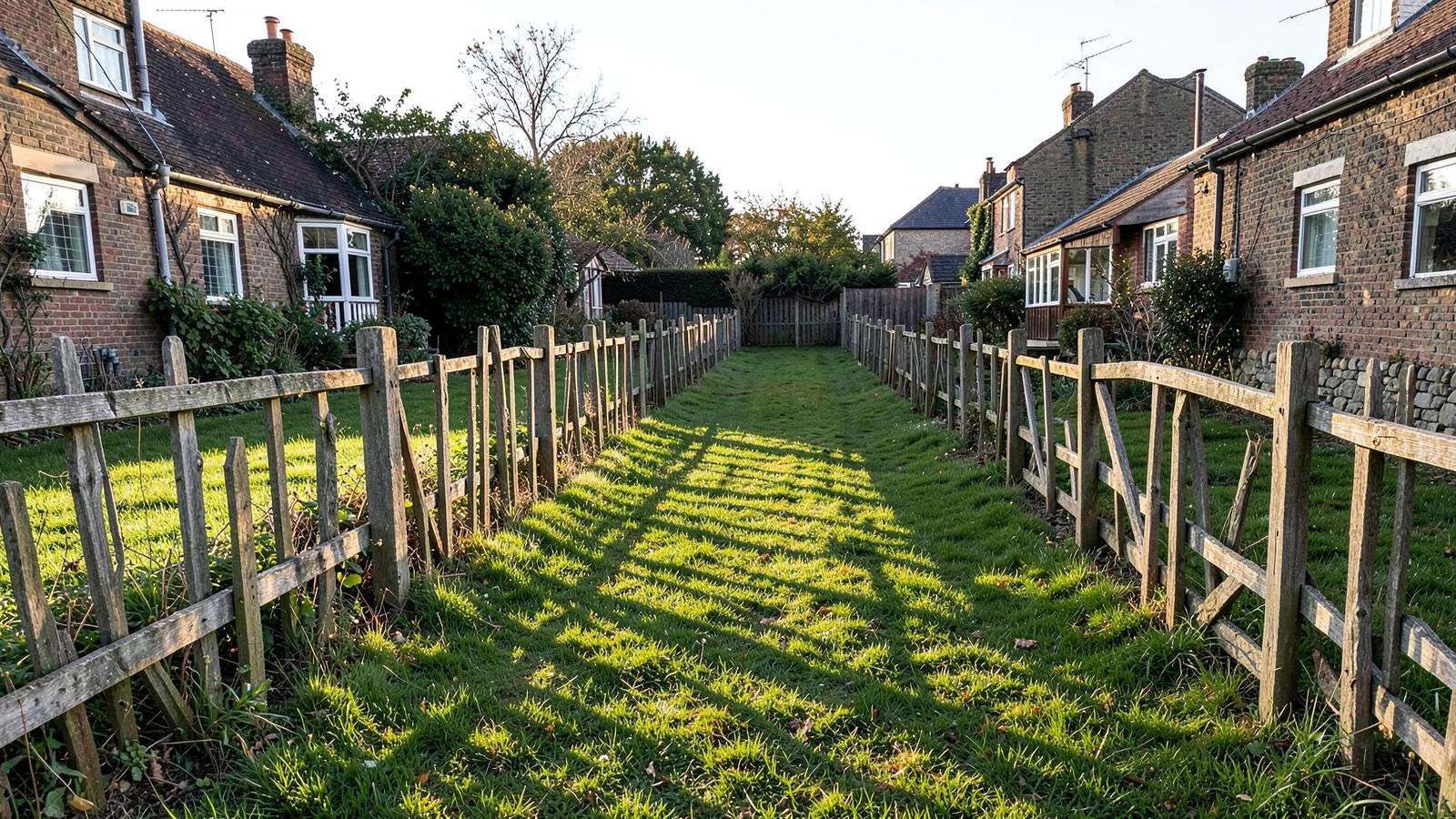
Over 25 years a timber-post fence is typically rebuilt 2–3 times. A concrete-post fence with replaceable panels is rebuilt once. Even at the higher upfront cost, concrete is cheaper across a 20-year window — and you spend a lot less weekend time on it.
The repair argument matters more than the look
Here's the bit nobody talks about. With concrete posts and slotted gravel boards, a single damaged panel takes 20 minutes to swap — lift the old one out of the groove, slide the new one in, done. No demolition, no neighbour negotiation, no skip.
With timber posts, panels are nailed or screwed in. To replace one you're prising it out, often damaging the adjacent ones, sometimes pulling the post nails as you go. A "single panel job" turns into a half-day with three panels and a repaired post. That's the hidden cost of timber posts.
Where wood actually wins
Three situations where we'd recommend timber over concrete:
- Conservation areas and listed properties where concrete posts aren't visually acceptable. Some councils explicitly require timber. Always check first.
- Soft ground / clay-heavy gardens where concrete posts heave with the seasons. Rare but real — usually obvious because the existing concrete posts in the street are already leaning.
- A truly temporary fence — three to five years before a bigger project (extension, landscaping). Don't pay concrete money for something coming down soon.
For everything else — standard London garden, standard soil, fence expected to last — concrete posts plus a concrete gravel board is the right answer.
"Won't concrete posts look horrible?"
A fair concern, especially with a 6ft run of grey concrete. Three ways to handle it:
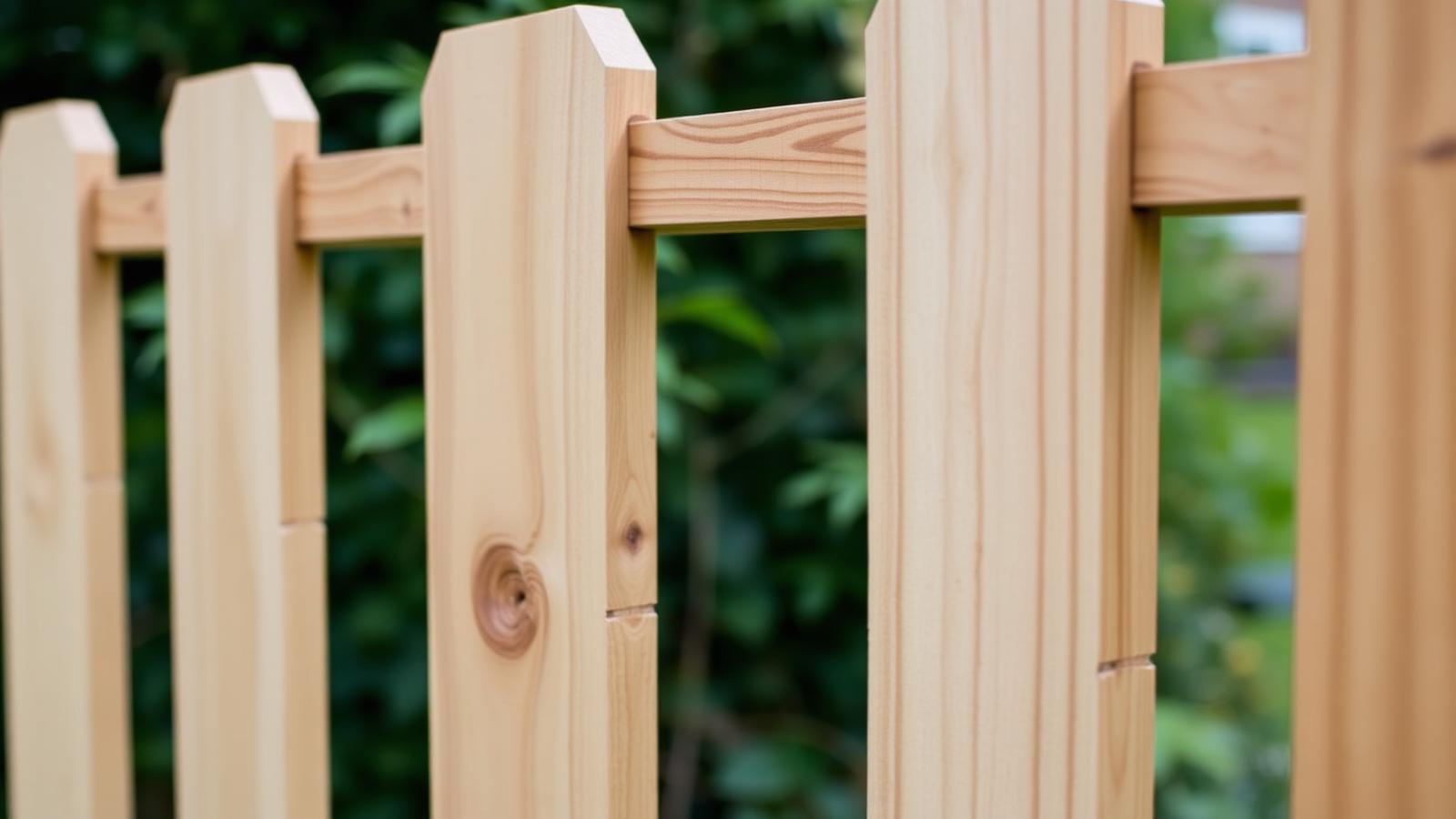
- Hide them with the panel. Closeboard panels on concrete posts read as a continuous timber fence from a distance — the post edge is visible but slim.
- Paint them. Concrete takes masonry paint well. Sage green, charcoal, or near-black makes them disappear visually next to planting.
- Plant against them. Climbers (jasmine, clematis, evergreen honeysuckle) cover concrete posts in 2–3 seasons.
Nobody who chose concrete posts mentions the look five years later. Everyone who chose timber posts is thinking about the next replacement.
What about steel posts?
A third option getting more popular in 2026 — galvanised steel posts (think Postsaver, DuraPost). Lifespan claims of 25+ years, lighter than concrete, slim profile. They cost roughly 30–40% more than concrete in materials, and not every installer carries them. We use them where the customer asks for a slim modern look — they pair beautifully with horizontal slat panels. For traditional overlap or closeboard panels, concrete is still the value pick.
The bottom line
Concrete posts, every time, unless you have a specific reason not to. The £150–£250 you save on a 10-panel timber-post run gets spent again within 10 years, and gets spent in disruption — skips, weekends, neighbour visits — not just money.
When you ask goodfence for a estimate, this is the conversation we'll have. We default to concrete posts and concrete gravel boards on every estimate unless the site or the customer points us elsewhere. Send a photo and your postcode and we'll write back with both options, costed separately, so you can see the difference for yourself.