Twin-wire or 358 mesh?

Rigid open mesh or a tighter anti-climb perimeter.

Short answer

Choose twin-wire for rigid, visible general security. Choose 358 mesh when a tighter aperture is central to the risk specification.
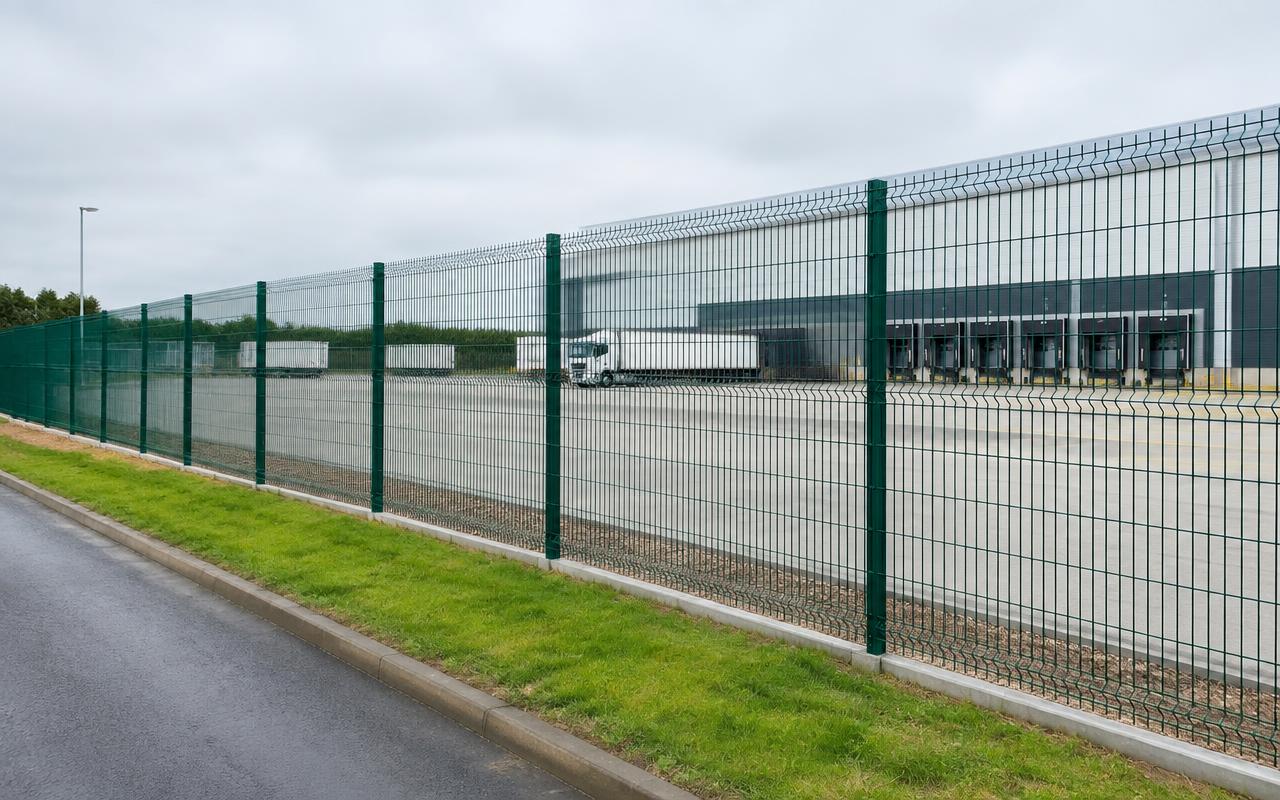
Side by side

Panel character
Twin-wireRigid, open welded mesh
358 meshDense, tight-aperture welded mesh
Climb resistance
Twin-wireGood general perimeter security
358 meshHigher where the tight aperture is specified
Sightlines
Twin-wireVery open
358 meshOpen, but denser at shallow angles
Typical setting
Twin-wireSchools, estates, yards and general security
358 meshHigher-risk and controlled perimeters
Gates
Twin-wireMatching pedestrian and vehicle gates
358 meshMatching secure gate sets
Specification
Twin-wireWire format and panel verified by product
358 meshAperture, wire and panel verified by product

Which suits the site?

Choose Twin-wire when…

  • The site needs a rigid, durable boundary with very clear views.
  • The risk assessment does not call for a tight anti-climb aperture.
  • The perimeter serves a school, estate, yard or general commercial site.

Choose 358 mesh when…

  • The security brief specifically prioritises climb and tool resistance.
  • A dense mesh panel suits the assessed risk and surveillance plan.
  • The tender or consultant specification already identifies a 358-type system.

Honest trade-offs

Twin-wire
The more open aperture is not designed to provide the same anti-climb restriction as 358 mesh.
358 mesh
The denser appearance can feel more severe, and the tighter panel requires closer coordination with camera angles and attachments.

Discuss your site

Step 1 of 6

What have you got?

Either works. Priced by hand.

Questions