Composite or timber fencing — which is actually worth it?.
Composite boards are a wood-flour and recycled-polymer mix fitted into aluminium or concrete posts. They don't rot, don't need staining and carry manufacturer guarantees measured in decades. Timber is cheaper, warmer to look at, and entirely replaceable. The right answer depends far more on how long you're staying than on which one looks better in a showroom.
Buy timber if you want the lowest price today and don't mind treating or replacing it inside twenty years; buy composite if you plan to stay put and want a boundary you never touch again — it costs roughly twice as much per metre fitted and only pays that back over time.
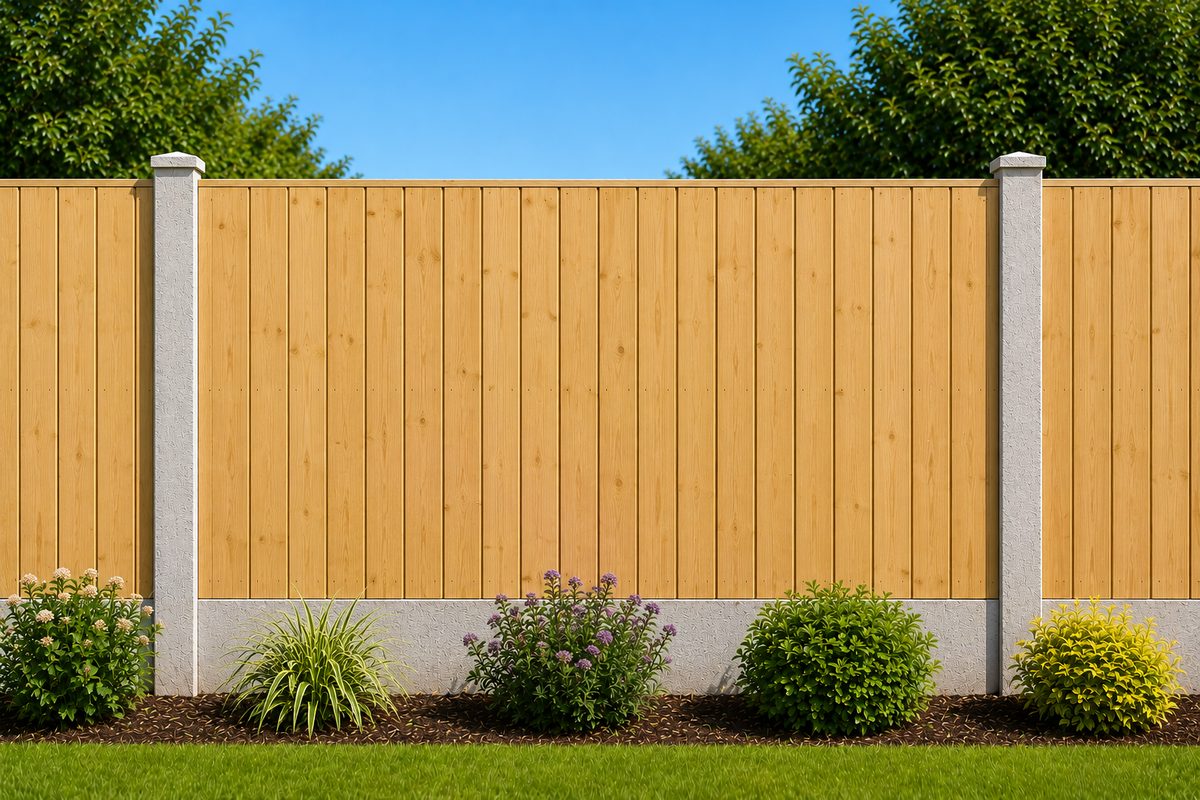
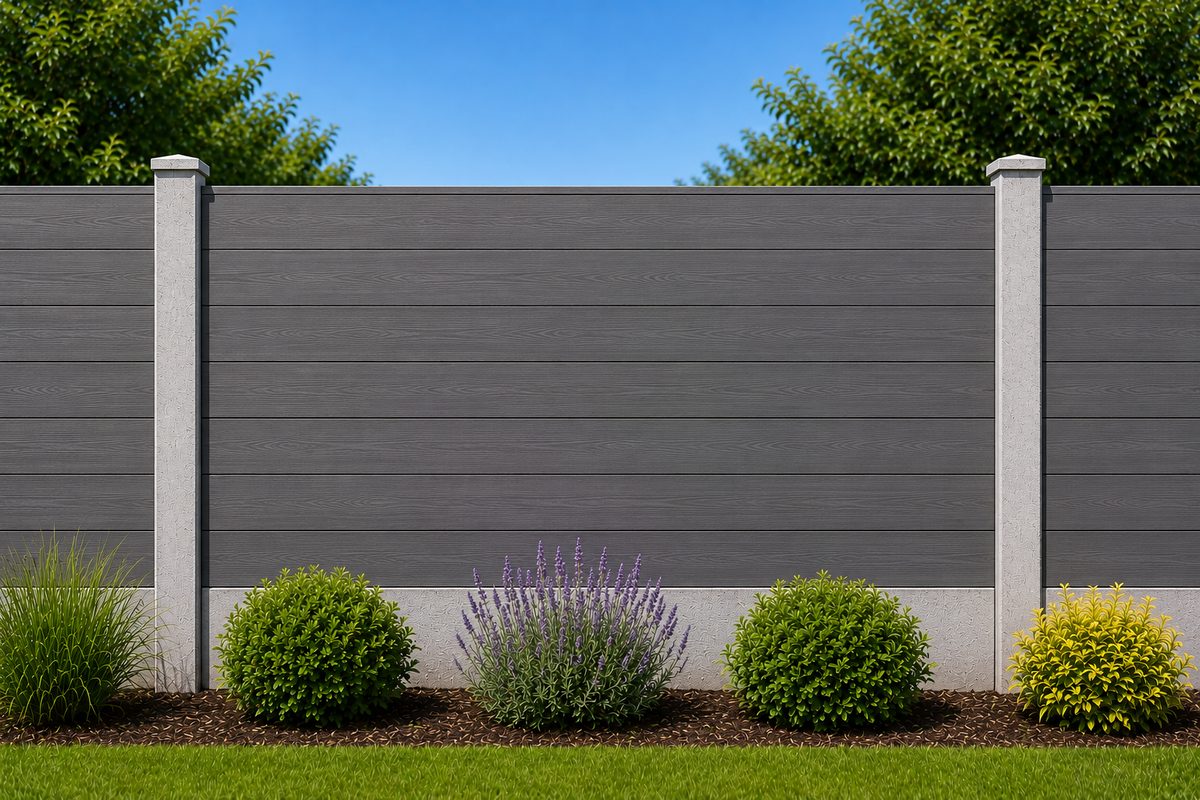
Side by side
Timber
Composite
- Fitted price, typical run
- Timber£165–£225/m
- Composite£320–£380/m
- Realistic service life
- Timber15–20 years
- Composite25 years+
- Upkeep
- TimberRe-treat every 2–3 years
- CompositeRinse it, nothing else
- Colour
- TimberFades, needs re-staining
- CompositeSlight fade in year one, then stable
- Fixing a damaged section
- TimberBoard or panel swapped cheaply
- CompositeBoard swapped, but only in that brand's system
- Feel
- TimberNatural grain, warms up over time
- CompositeUniform, engineered, contemporary
- Best on
- TimberAny boundary, any budget
- CompositeBoundaries you don't want to revisit
Prices are per metre, supplied and fitted, inc VAT, for a typical-length run across London and the South East. Access, ground and optional removal of the old fence move the number.
Choose timber if
- You're moving within five to ten years — you'll never see the composite payback.
- The run is long and the budget is fixed; timber buys you the whole boundary in one go.
- You want the fence to look like a garden fence, not a product.
- You're happy to spend an afternoon with a sprayer every couple of years.
Choose composite if
- This is the forever house and you want the boundary done once.
- The fence is in constant view from the kitchen or a patio — the finish stays sharp.
- You genuinely will not maintain a timber fence, and you know it.
- You want the manufacturer guarantee on the boards behind the decision.
What nobody puts in the brochure
Timber
Timber is a consumable. Even on concrete posts, the boards will grey, cup and eventually need replacing — and if you skip the treatment cycle that clock speeds up considerably.
Composite
Composite is close to double the price per metre, it isn't a standard product between brands, and a run fitted in one system can't simply be topped up with another brand's boards years later. It also reads as modern — on a period garden it can look wrong.
Questions we get asked
Still deciding?
Closeboard vs overlap
Overlap panels are the cheapest way to replace a whole boundary and the easiest to change later; closeboard costs more per metre but is a genuinely stronger fence, built on site, that outlasts panels by years.
Hit-and-miss vs closeboard
Closeboard gives you total privacy and costs less; hit-and-miss lets wind through on purpose, which is what you want on an exposed garden, and looks the same from both sides — so it's the better neighbour fence.
Concrete vs timber posts
Concrete posts cost more up front and win almost every time, because fences don't fail at the panel — they fail at the post, in the ground, where timber rots.
Free estimate · no obligation