What Is Hit and Miss Fencing? An Honest Guide
Hit and miss fencing alternates boards on both sides of a rail for strength and airflow, but it does not give full privacy — here's the honest breakdown.
Quick answer
Hit and miss fencing is a boarded fence where the vertical (or horizontal) boards are fixed alternately on either side of a central rail, so each board overlaps its neighbour without touching it. This creates a strong, wind-resistant screen with a slatted look on both faces, but it is not fully private — at certain angles you can see slivers of light and movement through the gaps. In London it costs £175–£200/m fitted on typical 12–26m runs, more than closeboard, because of the extra timber and labour involved.
What hit and miss fencing actually is
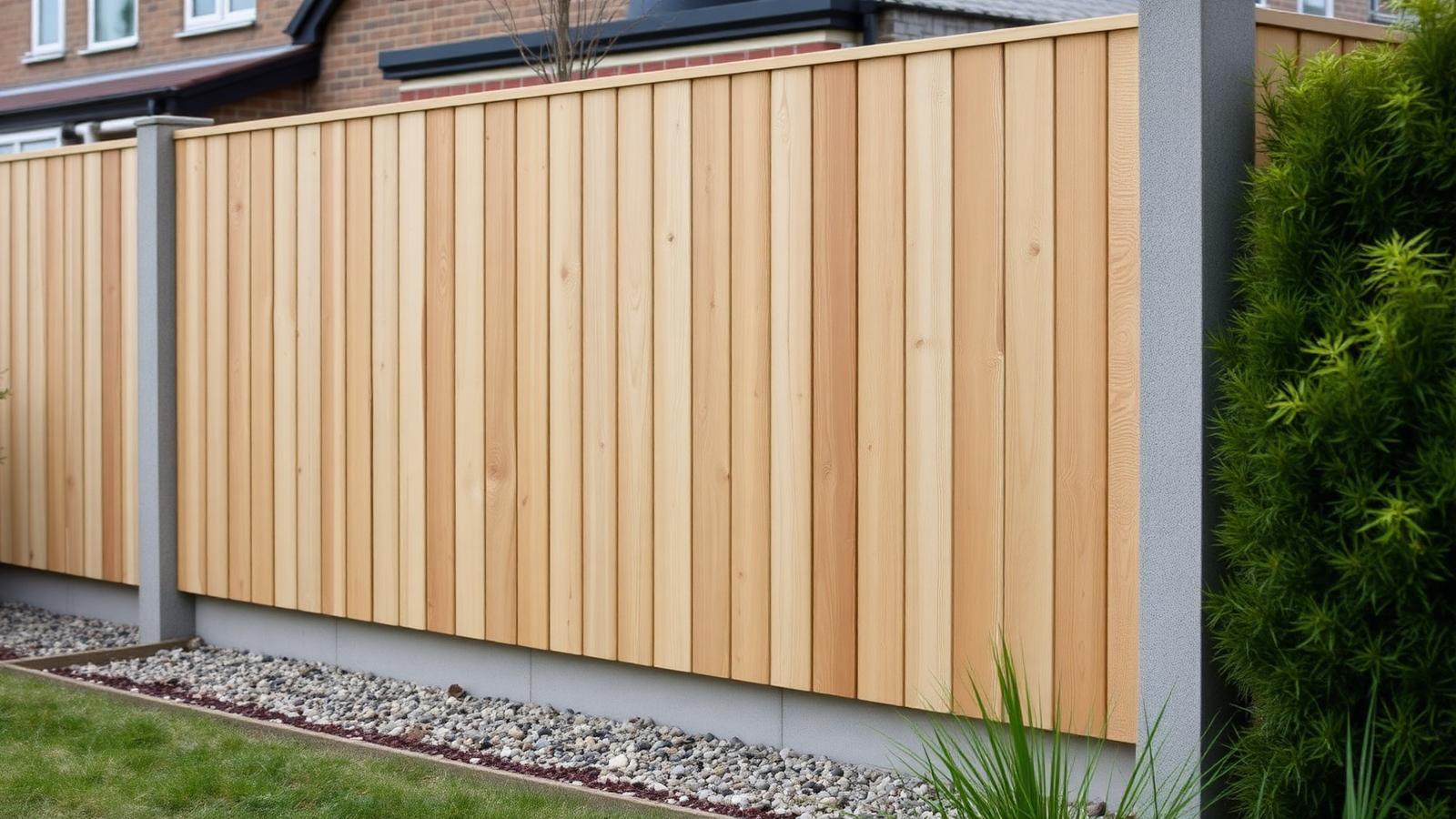
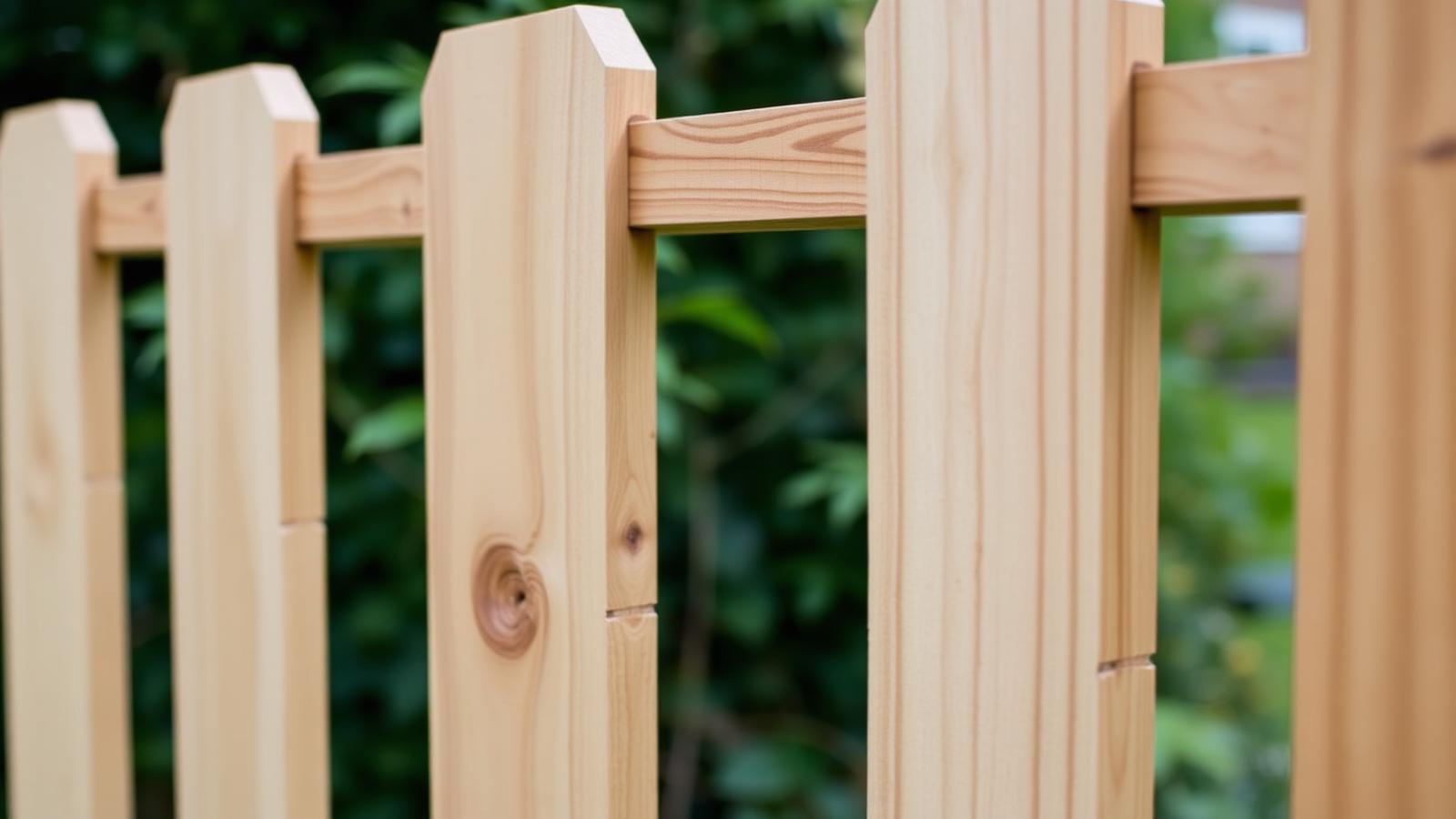
The name describes the construction, not a single product. Boards are nailed to a rail in a staggered pattern: one board "hits" the front of the rail, the next "misses" it and goes on the back, and so on along the run. The result is a fence with no single continuous face — both sides look identical, which matters when you share a boundary with a neighbour and neither of you wants to look at the back of a panel.
Because the boards overlap slightly rather than sitting flush, gaps run through the fence at an angle rather than straight through. That's what gives hit and miss its particular mix of screening and airflow, and why it behaves differently from a closeboard fence in wind.
Horizontal vs vertical hit and miss
Both versions use the same alternating principle; the difference is orientation.
| Vertical hit and miss | Horizontal hit and miss | |
|---|---|---|
| Look | Traditional, works in most gardens | Contemporary, reads similarly to slatted fencing |
| Board length | Full panel height, more waste on cuts | Shorter offcuts, often less wastage |
| Best for | Period properties, boundary fences | Modern extensions, side returns |
| Cost | Baseline | Similar, sometimes slightly higher for fixings |
Neither is stronger than the other structurally — the wind performance comes from the alternating gaps, not the direction of the boards. Choose based on which suits the house and garden, not on any real performance difference.
Can you see through hit and miss fencing — the honest answer
Yes, partially, and any supplier telling you otherwise is not being straight with you. Standing directly in front of a hit and miss fence, the overlap of the boards blocks a direct line of sight. But move to an angle — which is exactly how most people actually view a boundary fence from a patio or window — and you'll catch narrow strips of the garden beyond through the gaps between boards.
For most households this is a non-issue: you get far more privacy than open railings or a see-through screen, and nobody standing normally in a garden can make out detail through it. But if full, angle-proof privacy is the priority — overlooking from a neighbour's upper window, for example — closeboard fencing with no gaps at all is the more reliable choice. Be clear about what you actually need before you commit either way.
Wind performance: the real reason to choose it
This is where hit and miss earns its higher price. A solid closeboard fence acts like a sail — in an exposed garden, rooftop terrace, or anywhere that catches prevailing wind off open ground, that solid face takes the full load and panels can fail over time, whatever the post type. Hit and miss lets a portion of the wind pass through the gaps instead of hitting a flat surface, which reduces the pressure on posts and panels.
If your garden is on a hill, backs onto open land, or has a history of fence panels blowing out, hit and miss is worth the premium for that reason alone — not for its looks. Pair it with concrete posts rather than timber for the best chance of it lasting through winter storms.
Cost fitted in London
Hit and miss sits above closeboard and roughly level with slatted fencing on price, because of the extra boards and fixing time per metre.
| Style | Fitted cost per metre (London) |
|---|---|
| Overlap | £115–£145/m |
| Closeboard | £145–£190/m |
| Hit and miss | £175–£200/m |
| Slatted | £170–£200/m |
| Composite | £320–£380/m |
These are current supply-and-fit bands for typical 12–26m London runs, with old-fence removal and disposal available as optional extras, for new installs and full replacements — GoodFence doesn't do single-panel repairs. Actual price depends on run length, ground conditions, gate requirements and access. For a straightforward domestic boundary, minimum job value starts from £1,200. You can get a feel for your own garden's numbers with the fencing cost calculator, or send three photos and your postcode for a free indicative estimate at /estimate.
Lifespan
Well-built hit and miss fencing in treated softwood typically lasts 15–20 years before boards need replacing, similar to closeboard, provided posts are concrete and the fence has been fitted with proper post spacing and gravel boards to keep timber off wet ground. The staggered boards do carry slightly more joinery than a flat panel, so it's worth confirming the fitter is using treated timber rated for ground contact where posts meet soil, and pressure-treated boards throughout.
When it's the wrong choice
Hit and miss isn't right for every garden. Skip it if:
- You need guaranteed full privacy at all viewing angles — go closeboard instead.
- Budget is tight and the garden isn't especially exposed — overlap fencing will do the job for less.
- You want a completely uniform, gap-free modern look — composite fencing or solid slatted panels suit that brief better.
- The garden is sheltered with no real wind exposure — you'd be paying a premium for a benefit you don't need.
It's a genuinely good fence for the right situation: exposed sites, shared boundaries where both sides need to look presentable, and gardens that have chewed through solid panels before. It's the wrong fence when the brief is simply "cheapest privacy screen possible."
FAQ
What is hit and miss fencing?
It's a timber fence style where boards are fixed alternately on the front and back of a central rail, overlapping without touching, so both sides of the fence look the same and air can pass through the gaps.
Hit and miss fencing — what does it cost fitted?
In London, hit and miss fencing costs £175–£200/m supplied and fitted, similar to slatted fencing and above closeboard, reflecting the extra boards and labour per metre.
Can you see through hit and miss fencing?
Not from directly in front, but at an angle you can see slivers of light and movement through the gaps between boards. It gives good general privacy but not full angle-proof screening.
How much does hit and miss fencing cost?
Expect £175–£200/m fitted in London for a standard timber hit and miss fence on concrete posts, with the total depending on run length, gates and site access. Get a free estimate from three photos and a postcode at /estimate.
Horizontal vs vertical hit and miss — which is better?
Neither performs better structurally. Vertical suits traditional boundary fences; horizontal reads as more contemporary and suits modern extensions. Choose on appearance, not performance.
If you're weighing this against other styles for a London garden, our guide on how to get a fair fence estimate in London covers what a proper estimate should include, wherever you end up fencing — including in areas like Bromley, Orpington and Wimbledon.